The Benefits of Reading Educational Books
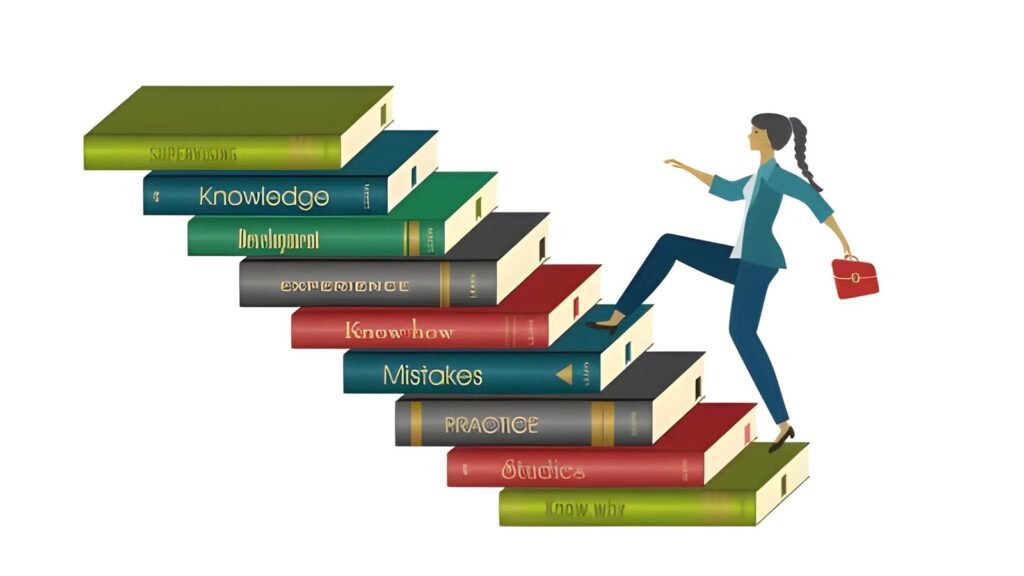
In a world filled with fast information, short videos, and constant distractions, reading educational books remains one of the most powerful ways to learn, grow, and improve your life. Educational books provide reliable knowledge, encourage deep thinking, and help readers develop skills that can be used in school, work, and TG88 everyday situations. Whether you are a student, professional, parent, or lifelong learner, the benefits of reading educational books are valuable and long-lasting.
What Are Educational Books?
Educational books are books written to teach, inform, and develop knowledge about a specific subject. They can include textbooks, self-improvement books, science books, history books, biographies, language learning books, business books, and guides on practical skills. Unlike casual entertainment reading, educational books are designed to help readers understand ideas, solve problems, and gain useful information.
Reading educational books does not mean learning has to be boring. Many educational books are written in an engaging style and use stories, examples, images, and exercises to make learning enjoyable. The main goal is to help readers expand their understanding of the world.
1. Educational Books Improve Knowledge
One of the greatest benefits of reading educational books is the opportunity to gain knowledge. Books provide detailed information that is often more complete than what we find in short online posts or videos. When you read a book on a topic, you can explore the subject step by step and build a strong foundation.
For example, reading a book about personal finance can teach you how to budget, save money, invest, and avoid debt. A book about health can help you understand nutrition, exercise, sleep, and mental well-being. Educational books give you information that can improve your decisions and quality of life.
2. Reading Develops Critical Thinking
Educational books encourage readers to think deeply. They often present facts, arguments, research, and different points of view. As you read, you learn to question ideas, compare information, and form your own opinions.
Critical thinking is an important skill in today’s world. It helps you recognize false information, solve problems, and make better choices. By reading educational books regularly, you train your mind to analyze information instead of simply accepting everything you hear or see.
3. Educational Books Strengthen Vocabulary and Communication Skills
Reading educational books exposes you to new words, phrases, and writing styles. Over time, this improves your vocabulary and helps you communicate more clearly. A strong vocabulary is useful for students writing essays, professionals preparing reports, and anyone who wants to express ideas with confidence.
Good communication skills are valuable in almost every area of life. When you read more, you naturally learn how to explain thoughts better, structure sentences, and understand complex language. This can improve speaking, writing, and even listening skills.
4. Reading Supports Academic Success
For students, reading educational books is essential for academic achievement. Books help students understand school subjects such as math, science, literature, geography, and history. They also support exam preparation by explaining topics in detail and offering practice questions or examples.
Students who read educational books regularly often develop better concentration, stronger memory, and improved study habits. These skills can lead to higher grades and greater confidence in the classroom. Reading also encourages curiosity, which makes learning more enjoyable and meaningful.
5. Educational Books Help Build Professional Skills
The benefits of reading educational books are not limited to students. Professionals can use books to improve their careers and stay competitive in the workplace. Books on leadership, marketing, technology, management, communication, and entrepreneurship can help workers gain practical skills.
In many industries, knowledge changes quickly. Reading educational books helps professionals stay updated with new trends, methods, and tools. This can lead to better job performance, new career opportunities, and personal growth.
6. Reading Increases Focus and Discipline
In the digital age, many people struggle with short attention spans. Reading a book requires focus, patience, and discipline. Unlike scrolling through social media, reading encourages you to slow down and pay attention for a longer period.
When you make reading a habit, your ability to concentrate improves. This can benefit many areas of life, including studying, working, problem-solving, and planning. Even reading for 20 to 30 minutes a day can help strengthen your focus over time.
7. Educational Books Encourage Lifelong Learning
Lifelong learning means continuing to learn throughout your life, not just during school years. Educational books make lifelong learning possible because they are available on almost every topic. You can learn a new language, understand psychology, study world history, improve cooking skills, or explore modern technology.
This habit keeps the mind active and open to new ideas. Lifelong learners are often more adaptable, creative, and confident. Reading educational books helps people grow personally and professionally at any age.
8. Reading Educational Books Boosts Confidence
Knowledge often leads to confidence. When you understand a subject better, you feel more prepared to discuss it, apply it, or teach it to others. Educational books can help remove fear and confusion by explaining complicated topics in a clear way.
For example, someone who reads about public speaking may feel more confident giving presentations. A person who reads about parenting may feel more prepared to handle challenges at home. The more you learn, the more capable you feel.
9. Educational Books Inspire Motivation and Personal Growth
Many educational books are written to inspire readers to improve their lives. Books about successful people, positive habits, goal setting, and personal development can motivate you to take action. They show that growth is possible with effort, patience, and the right mindset.
Reading about the experiences and lessons of others can also help you avoid mistakes and make wiser decisions. Educational books often provide practical advice that can be applied immediately.
How to Build a Reading Habit
To enjoy the benefits of reading educational books, start with a simple routine. Choose books that match your interests and goals. Set aside a specific time each day, such as before bed or in the morning. Begin with 10 to 15 minutes if you are not used to reading.
You can also take notes, highlight important ideas, or summarize each chapter. This helps you remember what you learn and apply it in real life. Audiobooks and e-books are also useful options for busy readers.
Conclusion
The benefits of reading educational books are powerful and wide-ranging. They improve knowledge, strengthen vocabulary, develop critical thinking, support academic success, and build professional skills. Educational books also increase focus, confidence, motivation, and lifelong learning.
In a fast-changing world, the ability to learn is one of the most important advantages anyone can have. By making educational books a regular part of your life, you invest in your mind, future, and nổ hũ đường mạt chược personal success. Start with one book today, and you may discover that reading is one of the best habits you can build.